Sometimes You Need a Mechanic
Sep 03, 2026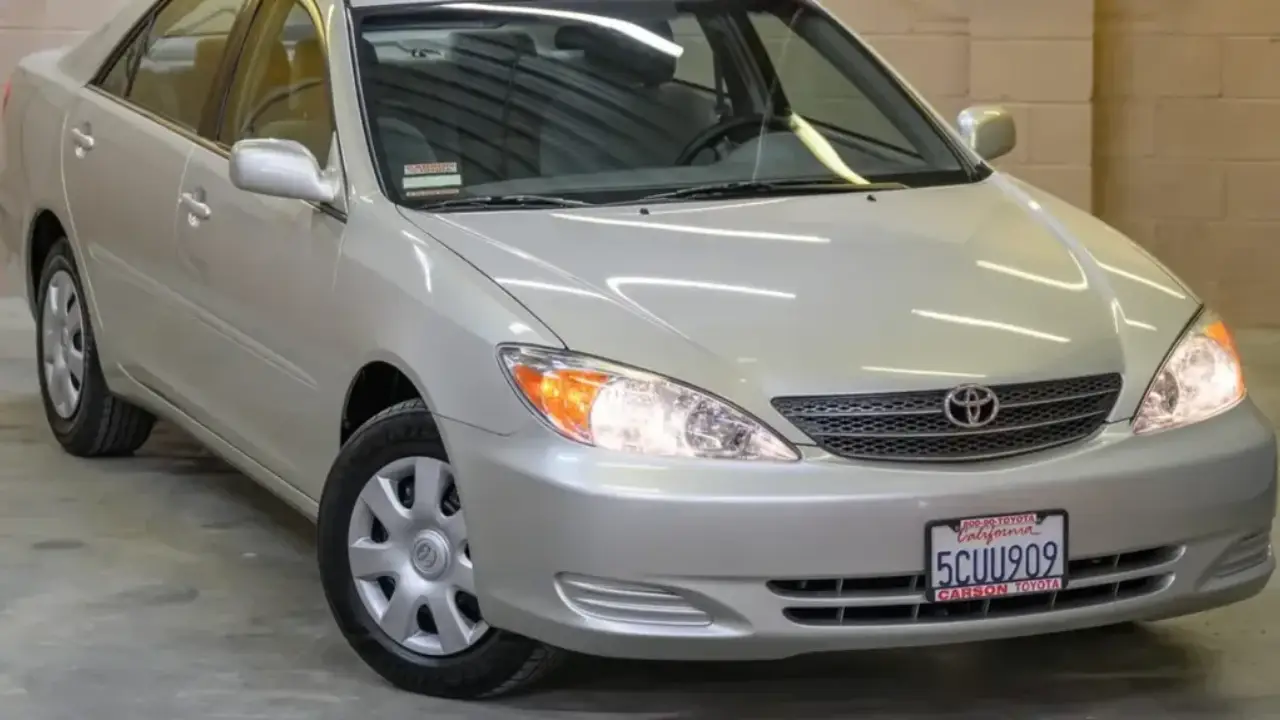
I have a real-life metaphor that may just hit home as you consider your team environment and staffing situation. Our youngest left for college last week, which brought on all the emotions (most of them good). It’s not just my son who took off; my trusty ride made the trek with him. However, over the last three years, since our son started driving, I have seen my share of use in my 2006 Toyota Camry drop from 100% to about 5%—at best.
School. Baseball. Youth Group. Work. Social life.
There was a time or two when I almost ordered a Lyft because it would be easier than booking a reservation for my own car!
Because we desire to set up our kids with as much opportunity for success as possible, we are selling him said car for a decent price so he can get an off-campus job to help support his schooling. We’re now dealing with the ramifications of juggling a single car for my wife and me. First-world problem for sure.
A couple of weeks ago, we took the Camry to a trusted friend/mechanic. I got the phone call that I was both anticipating and dreading.
"Brian, I don’t like this call," our mechanic started as I began to squirm in my seat. He continued, "It’s always a tough choice with these older cars."
Pause.
I had never thought of my 2006 car as "old," but then realized the ’77 Chevy pickup I started driving in 1988 was ancient in my eyes. I digress.
My friend went on: "You have some choices to make. The car is still a great car, but there are things that simply need to be done, or the problems can exacerbate, and the car could become useless. However, you can also save that money, drive this for who knows how much longer, and simply invest in something new or newer down the line. It’s up to you."
He named the price. It sounded high. Because it was. But it also sounded right.
It was an investment in our son, his future, his safety, and his opportunity for success. Sure, I thought, we could sell this one and use that money for something newer. But even then, you’re risking not knowing the history. We know this car. We know what has been done to it. We know what has been replaced. We know how it has been driven. And now, thanks to someone who knows a lot more about cars than I do, we know what needs some attention.
Wait, Are We Still Talking About Cars?
This morning I was on a call with an Executive Pastor.
"We had to let our Youth Pastor go—he just wasn’t the right fit."
This Executive knew that I have done national searches for almost two decades and have specialized in the NextGen space—Youth, Kids, and Families. He went on to tell me a number of areas where the Student Pastor had not met expectations. He admitted they loved his character and his relational ability, but saw that his lack of experience in some of the administrative and leadership areas was preventing the youth ministry from growing at the rate they had hoped.
It was time for something new. They wondered if I could help them find a new, affordable, but more reliable model.
Oh wait, we’re not talking about cars anymore, are we?
Okay, since I awkwardly transitioned us back to my real-life car metaphor, let’s stay here a minute. I am not an expert in cars. I know I need to call on an expert to diagnose, advise, and perform the work that needs to be done. There have been a few times I thought I could become more knowledgeable in "car"—so I watched some YouTube videos, made an attempt or two at turning the wrench, and quickly surmised I’d likely pay more for the repairs after I tried to fix it than before I started my research.
I know enough to know when something doesn’t sound right. I can see when a light comes on that probably shouldn’t be on. But knowing why it’s happening? That’s when I call someone who knows cars. They diagnose the problem. They tell me what’s urgent, what can wait, and what really isn’t a problem at all. And then I get to make an informed decision.
I wonder how often we skip that step with people.
Before You Buy Something New
A staff member isn’t meeting expectations, so we assume we have a personnel problem. Attendance isn’t growing, so we assume we have a leadership problem. Communication is inconsistent. Volunteers aren’t being developed. The calendar is a mess. Parents aren’t being communicated with well. The ministry doesn’t seem to be gaining traction.
Eventually, we start asking: Do we need somebody new?
Maybe. Sometimes you absolutely need a new car. Sometimes the cost of continued repairs doesn’t make sense. Sometimes the car simply isn’t capable of doing what you need it to do anymore. The same is true with people. There are character issues. Chemistry issues. Calling issues. Sometimes someone simply isn’t a fit for the role they’re in. Keeping someone in a position they’re not equipped or called to fulfill isn’t kind to them, the church, or the people they’re leading. I’ve helped churches make those decisions. I’ve helped churches find the next person. Sometimes that’s exactly the right move.
But before you trade in the car, wouldn’t it be worth knowing what’s actually wrong with it? Here are four questions I ask before anyone starts a search:
- Is this a character problem or a competency problem? One is a fit issue. The other is a development issue.
- Is this someone who won’t receive coaching, or someone who’s never received it? Very different conversations.
- Has this person actually been developed for the role, or just placed in it? There’s a difference between someone who can’t do the job and someone who’s never been taught to.
- Have expectations been clearly communicated? If we’re being fair, there’s a difference between an employee not meeting expectations and a supervisor who’s never clearly stated them.
Ouch.
Sometimes you need a new car. Sometimes you need a good mechanic. Because buying something new comes with a cost—and so does replacing a staff member. There’s the search. The transition. The months the position may sit vacant. The staff members who absorb the extra work. The volunteers who wonder what’s going on. The students or families who lose another trusted leader.
Then you find the new person. And they’re new. They have to learn your culture. You have to learn them. The strengths you saw in the interview now have to translate into the actual job. Maybe they’re more organized but less relational. Maybe they’re a better strategist but struggle to recruit and develop volunteers. Maybe they’re a gifted communicator but can’t lead a team.
The shiny new model has issues too. They’re just issues you haven’t discovered yet.
Get a Diagnostic
So let me bring the metaphor home.
Are you the car in need of repair? Are you supervising someone who needs coaching and development? Do you have a really good person on your team who isn’t producing the results you’d hoped for—and you haven’t figured out why?
You may even be an expert in the field and know exactly what your employee needs to do to improve, but you simply don’t have the time to invest. That’s where another set of eyes can be incredibly valuable. Someone who isn’t emotionally tied to the situation can help you tell the difference between a people problem, a systems problem, a strategy problem, a clarity problem, or a development problem. Because those require very different repairs.
Before you start shopping for the new model, maybe it’s worth getting a diagnostic. What’s healthy? What isn’t? What needs immediate attention? What can be developed? Is the person willing to do the work? And ultimately, is this something worth investing in—or is it actually time to move on?
Those are much better questions than simply, "Do we need somebody new?"
This is a lot of what I get to do now—sit across the table as the mechanic, not the salesman. Sometimes the diagnostic points to a search, and I’ll help you find the next person. But more often than you’d think, it points to coaching and development instead: a good leader who’s never been shown how to lead, or expectations that were never actually spoken out loud. Either way, you make the call. I just help you see clearly enough to make it.
Last week, we drove our son to college in a 20-year-old Camry. It’s not new. It’s certainly not flashy. And now I know exactly how much money we’ve put into keeping it on the road. But it’s safe. It’s reliable. And with the right investment, I believe it has a lot of good miles left.
I’m guessing there are some people on your team you could say the same thing about. Before you trade them in, let’s run the diagnostic together—30 minutes, no pressure, just an honest second opinion on what’s actually going on with your team. Grab a time on my calendar: calendly.com/brianaaby
ABOUT THE AUTHOR
Brian Aaby has spent 30+ years in church and para-church ministry as a youth pastor, consultant, speaker, author, and coach. He serves as the Chief Strategist in addition to coaching and consulting for The Authentic Pastor.