Curiosity: The Leadership Trait Your Team Needs
Feb 17, 2026
I went to a steakhouse the other day that somebody had been telling me for months I needed to check out. The atmosphere was great. The service was amazing. I loved everything about the restaurant—except the food.
It was average at best.
A steakhouse has one job. One. Serve an incredible steak. The lighting, the music, the waitstaff who knows your name—all of that supports the main event. But if the main event is average? None of the rest matters. You're not going back. You're definitely not telling your friends to go.
Now let me ask you something. What's the main event of your leadership?
It's not your vision. It's not your preaching. It's not how smooth your Sunday morning runs. The main event of leadership is developing people. And if that's average—if you're managing tasks instead of growing humans—the rest of it is just atmosphere around a mediocre steak.
Here's the thing most pastors get wrong. We think our job is to have the answers. To cast the vision, build the plan, assign the tasks, and make sure everyone executes. We run the show. We call the plays. We check the boxes. And we call it faithfulness.
But that's not leadership. That's management. And there's a massive difference. Managers tell people what to do and how to do it. Developers ask questions and let people grow into the answers.
The shift between those two? It comes down to one word.
Curiosity.
Pastoral Leadership Self-Assessment: Are You a Developer or a Manager?
Before you read any further, answer these five questions honestly. Not the version of yourself you preach about on Sunday—the version that shows up in staff meetings on Monday.
1. When a team member brings you a problem, is your first instinct to give them the solution or to ask what they think?
2. If you left for a month, could your team run without you—or would everything bottleneck at your empty desk?
3. When was the last time you asked someone on your team a question you didn't already know the answer to?
4. Do your volunteers execute your plans or contribute their own ideas?
5. If you're honest—does your team serve the mission, or do they serve you?
If those questions made you uncomfortable, good. Stay with me.
How Curiosity Develops Stronger Church Leaders
When you're legitimately curious about the people around you, everything shifts.
You ask more questions. You listen—really listen—instead of waiting for your turn to talk. You allow other voices to be heard. And here's what most pastors don't realize: when you give someone a voice, you give them value. Voice equals value. Every time.
Curiosity turns you from a doer into an equipper. You stop owning the how and start committing to the what and the why. Your team—whether that's paid staff or the single mom who leads your kids' ministry—gets ownership of the how. They get to design the approach. Solve the problem. Use their gifts.
That's not delegation. That's development. That's Ephesians 4 coming to life—equipping the saints for the work of ministry instead of doing all the ministry yourself.
When Pastoral Leadership Becomes Micromanagement
I coached a pastor named Nathan a couple of years ago. Solid guy. Faithful. Loved his church. Ran himself into the ground.
Nathan had a worship leader, a youth pastor, and about forty volunteers. And every single one of them waited for Nathan to tell them what to do. Every decision went through him. Every plan started with his vision. Every creative idea got filtered through his approval.
He called it "leadership." His staff called it something else when he wasn't in the room.
When I asked Nathan the last time he asked his worship leader an open-ended question—not "can you do this song Sunday" but something like "what's stirring in your heart for where worship needs to go?"—he stared at me for about ten seconds. Then he said, "I don't think I ever have."
That's the moment the light came on. Nathan wasn't leading his team. He was managing a group of people who had learned to stop thinking for themselves because their pastor always did it for them. He had created a staff of minions marching to his drum. Not because he was arrogant—because he was afraid that if he stopped telling them how, things would fall apart.
Here's what actually happened when Nathan stopped dictating and started asking: his worship leader pitched a series concept that became the most engaged season their church had seen in years. His youth pastor restructured the entire Wednesday night program—and attendance went up. His volunteers started texting him ideas instead of waiting for assignments.
Nathan didn't lose control. He gained a team.
Developing Volunteer Leaders, Not Just Paid Staff
Here's where most leadership conversations miss the mark. This isn't just a staff principle. This applies to every single person in your congregation.
When you tell your church members how to serve, when to show up, what to give, and where to sit—you're not building disciples. You're building an audience. A congregation of spectators and consumers who show up on Sunday, receive the product, and go home.
But when you get curious about the people in your pews—what are their gifts, what breaks their heart, what do they see that you don't—you stop being the bottleneck and start being the catalyst. You move from being the pastor who does ministry for the church to the pastor who equips the church to do ministry with you.
That's the difference between a church that depends on you and a church that's been unleashed by you.
One Question That Transforms Church Team Culture
You don't need a new system. You don't need another conference. You don't need to read five more books on delegation. You need to walk into your next meeting—with your staff, with your volunteers, with the couple who keeps saying they want to do more—and ask one honest question:
"What do you see that I'm missing?"
Then close your mouth. And listen. That's curiosity. And it will change everything about the way you lead.
Ready to Build a Team That Doesn't Need You for Everything?
That's exactly what our consulting process is designed to do—help you identify the bottlenecks, develop your team, and build systems that multiply instead of depend.
About the Author
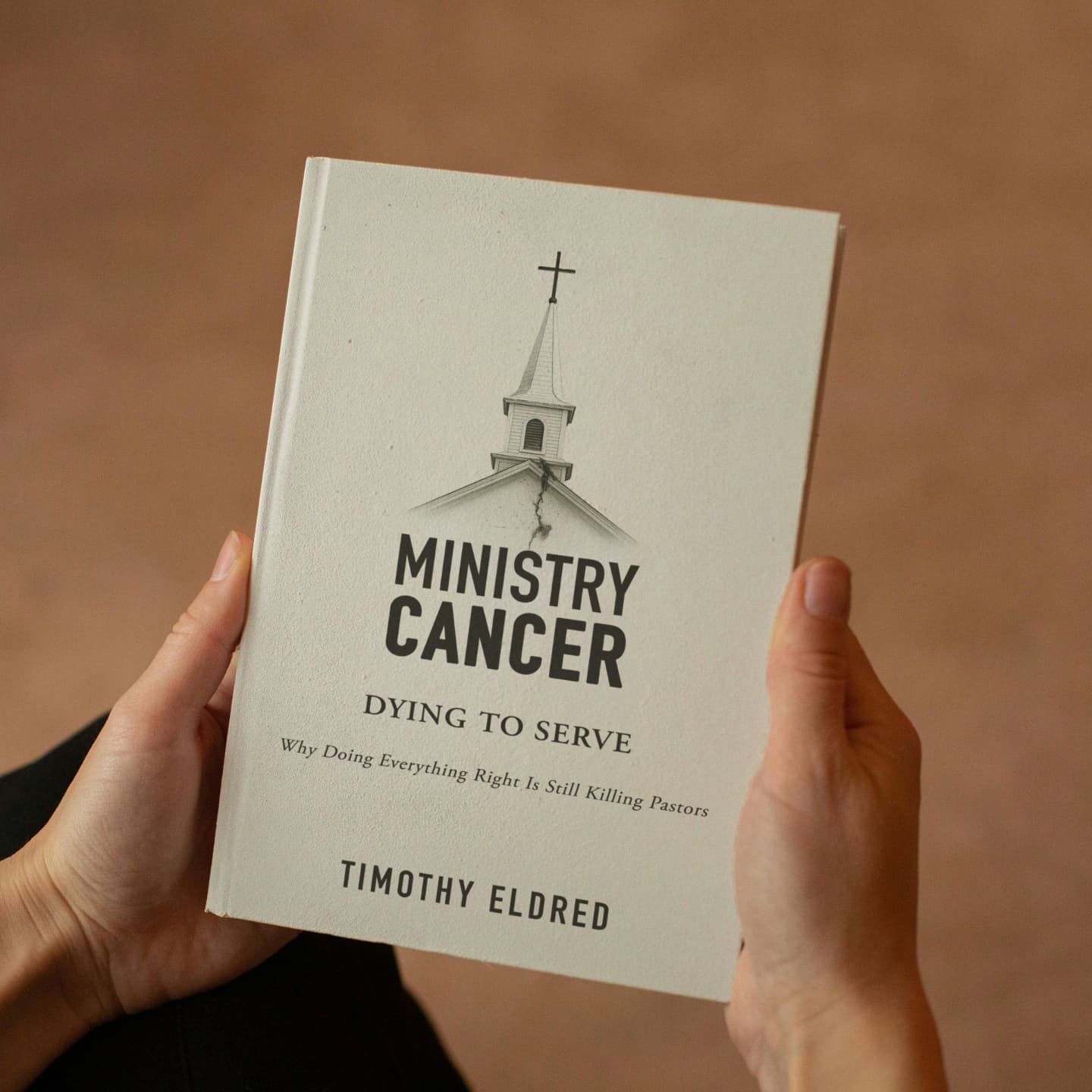
Tim Eldred has been serving in pastoral ministry for over three decades and has had the privilege of training and mentoring thousands of pastors in over 40 countries. He is the founder of The Authentic Pastor. Most importantly, he is a husband, father, and grandfather.