The Pastor Appreciation Gift You Haven't Tried
Oct 05, 2026
Every October, the same list shows up in every pastor's mailbox. Gift cards. A handwritten note from a few families. A weekend away (if you're lucky). And maybe even cake after the service.
I've been a pastor for over 36 years, so I've been on the receiving end of it all. I've kept a lot of the notes. I've used every gift card. I mean it when I say I'm grateful. I cherish the sentiment.
But I want to talk to a different reader than the one those gifts are meant for. I want to talk to the board.
If you're an elder, a deacon, a council member, or the person who signs off on the budget, this is for you. Because there's one pastor appreciation idea that almost no church tries, and it's the only one on the list that changes anything about next year.
Pastor Appreciation Ideas that Don't Change Anything
Here's the problem with the standard list. Every item on it is a thank-you for the past. The note says thanks for the hospital visits. The gift card says thanks for the long hours. The weekend away says thanks; now go recover.
None of it touches what happens in November and beyond.
Your pastor comes back from the weekend away and walks into the same job. The same number of people to care for, the same meetings, the same Sunday coming every seven days. If the job is wearing them down, a gift card doesn't change the job. It just says you noticed.
Noticing is good. But it isn't the same as helping.
The Growth Problem Nobody Measures
Let me say the thing I've come to believe after almost four decades of doing this and twenty years of coaching other pastors.
Your church will grow as far as your pastor is healthy enough to take it. Not one person further.
Boards measure almost everything. Attendance, giving, baptisms, the building fund, the number of kids in the Wednesday program. I've sat in those meetings, and I've run them. What never shows up on the report is the capacity of the one person all of those numbers run through.
The church-growth world taught us that growth is a strategy problem. Get the right model, the right program, the right preaching series. I bought that nonsense for years. I ran my church on it for longer than I like to admit. And I paid a significant price for it, too, because the strategy assumed the leader was a fixed resource who could absorb whatever the plan required.
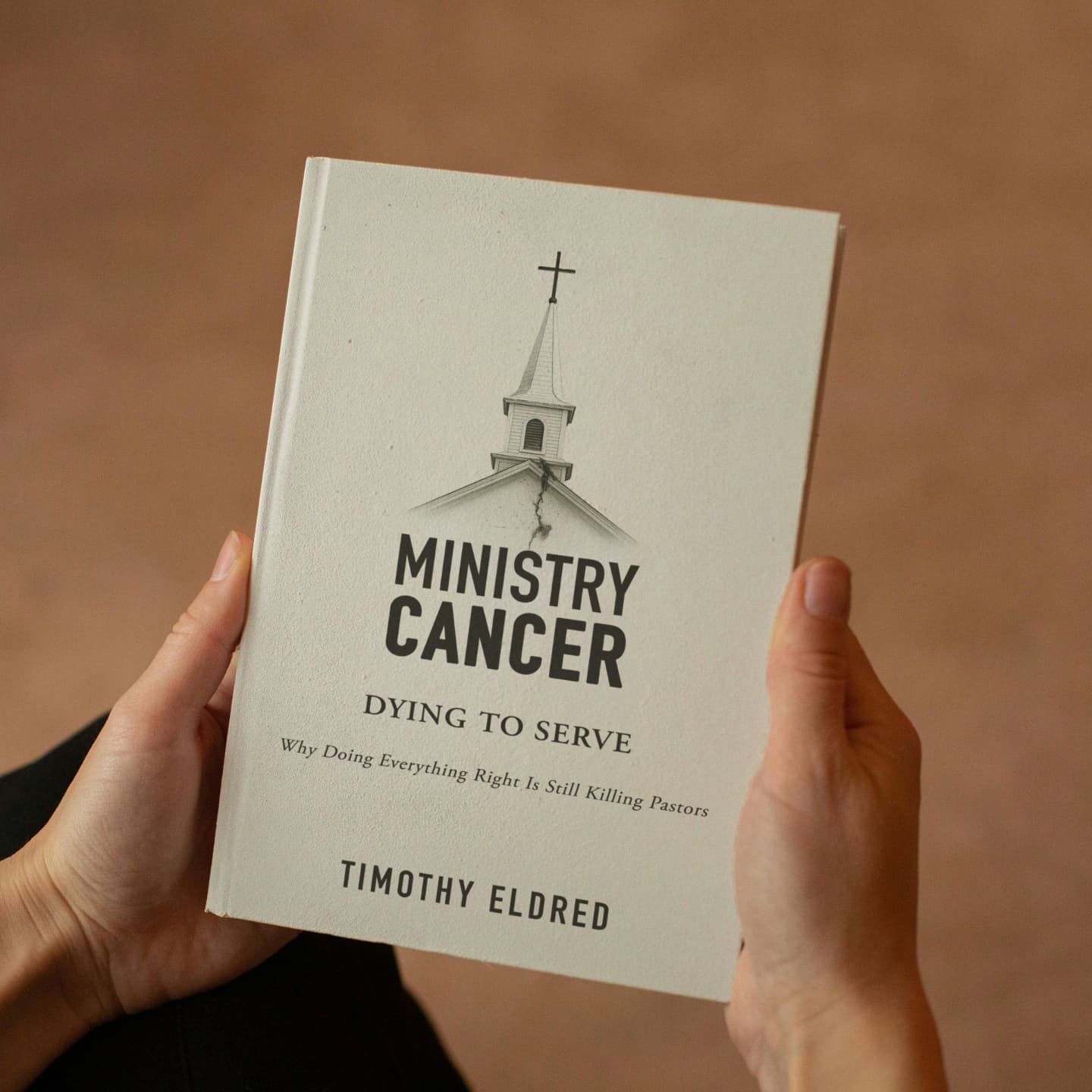
He isn't. She isn't. I wasn't. I wrote a whole book about what that does to a person, Ministry Cancer: Dying to Serve, because I watched it happen to pastors across the nation. And then watched it happen to me.
The ceiling on your church isn't the building. It's the health of the person and team leading it.
Every Other Profession Already Knows This
Surgeons have mentors. Executives have coaches. Airline pilots have check rides. Athletes have more people watching their health than they have teammates.
The pattern is the same everywhere the stakes are high: the people doing the hardest work are assumed to need someone in their corner, and the organization pays for it. Nobody calls it a perk. It's how you protect the thing you can't afford to lose.
Pastors get a cake.
I'm not saying that to be bitter. I'm saying it because I think most boards have never once considered that gap. The idea that a church would fund someone to help its pastor stay healthy enough to keep leading has never come up... or seldom. Not because anyone decided against it. Because nobody asked.
There are three things I'd want every board to know before they plan next year's budget.
- Most churches already have the budget line item. Continuing education. Professional development. Conference budget. It's usually there, and it usually gets spent on a conference your pastor comes home from with a notebook of ideas and no more capacity to run any of them. Redirect it.
- A transition costs ten times what development does. If you've ever been through a pastoral search, you know. The interim, the search committee, the lost momentum, the families who drift during the gap, the years it takes a new pastor to earn what the last one had. A year of coaching is a rounding error next to that.
- The pastor won't ask. Almost never. Asking for help with your own health and growth, from the people who evaluate you, feels like admitting you can't do the job. It's career suicide in a pastor's mind. So the board has to go first. That's what makes it a gift, not a performance plan.
The Pastor Appreciation Idea for Next Year
You're about to plan next year. Most boards will plan the programs and the budget and assume the pastor can carry whatever's left over. That's how a church repeats the year it meant to change.
Here's what to do instead, in order.
- Ask your pastor how they're doing. Not how the church is doing. Them. Then sit and wait for the real answer. Most pastors have a version ready for exactly this question. Wait past it.
- Put your pastor's capacity in the 2027 plan. Before you add a program, ask what it costs the person who'll carry it. If the answer is "more of the same person," you've found your ceiling.
- Fund development the way you'd fund the utility bill. Not because something is broken. Because you'd rather not find out what it costs when it is. Pay to keep the pastor's lights on.
That's where we come in, if you want help. The Path Forward is what we do with churches. Your pastor and your key leaders each take a 45-question assessment. We spend two days on site with your leadership. Two weeks later, you have a written plan with your church's next three moves for 2027, built around your church and the person leading it, in language the whole board can read. It's a mirror, not a verdict, and we'll tell you the truth even when the truth doesn't pay us.
There's a sample plan on the consulting page so you can see exactly what you'd be holding.
Give your pastor a card this year. Give them a cake. Then give them the one thing no board gave me for many years and watch what your church does with a leader who has room to lead.
———
The Gift that Lasts Past October
The Path Forward starts with a Roadmap: a 45-question assessment, two days on site, and a written plan with your church's next three moves. Take a look at the sample plan and see what your board would be holding.
———
Aboutthe Author
Tim Eldred has been serving in pastoral ministry for over three decades and has had the privilege of training and mentoring thousands of pastors in over 40 countries. He founded The Authentic Pastor. Most importantly, he is a husband, father, and grandfather.
About The Authentic Pastor
The Authentic Pastor is a comprehensive life and leadership development organization that helps pastors and churches achieve lasting growth through our proven WholeCare™ system, offering coaching, cohorts, and consulting services. We're passionate about supporting church leaders throughout their entire career journey—from early challenges to long-term success—with the goal of creating healthier pastors and more effective ministries.