When "Maybe" Is Enough (and All You Have Left)
The same afternoon my new book hit #1 in Christian Leadership on Amazon, I got a phone call from a ministry leader who was trying to figure out if they could survive one more day. And that's not an exaggeration.
I don't tell you that to create contrast for emotional effect. I tell you because that's actually what happened. And because the distance between those two extreme moments—a bestseller ranking and someone barely holding on—is exactly the distance this work exists to close.
They didn't call for strategy. They didn't want resources, a framework, or a next step. They just desperately needed to talk. And I've been doing this long enough to know that when a ministry leader calls and just needs to talk, you clear your afternoon and listen. So as I did. And somewhere in the middle of that conversation, after they'd said all the things ministry leaders say when they finally let their guard down—the exhaustion, the isolation, the feeling that something is deeply wrong but no one around them seems to notice—they softly began to cry. Then they went quiet for a moment and choked out these simple words:
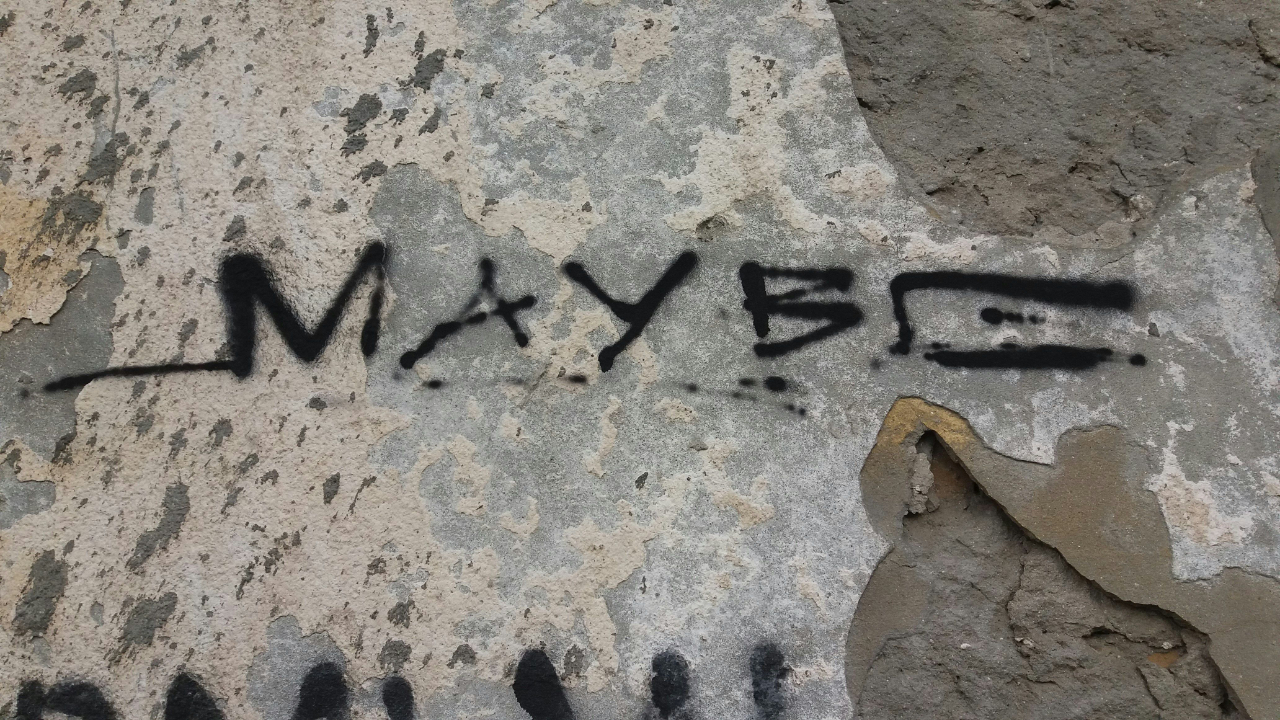
"Maybe I can do one more day."
Not confidence. Not a declaration of faith. Not even a decision, really. Just a single word that barely made it out of their mouth. And I sat with it for a second before I realized that might be the most honest thing anyone has said to me in years.
We don't have much room for "maybe" in ministry (or Christianity, for that matter). The whole vocational structure pushes against it. Whether you're the lead pastor, an associate, a children's director, a worship leader, or carrying any other role in the church, you're supposed to be the one with answers. The one who knows. The one whose faith is settled enough to anchor everyone else's. Uncertainty is something you help other people through. It's not supposed to be something you're living in yourself. So when a ministry leader whispers maybe, even just to themselves, it costs something. It means they've let go of the performance long enough to tell the truth. And that's rare.
That word—maybe—is where real hope actually starts. Not the polished hope you're expected to project every time you walk into a room. But the kind that shows up in the dark when you've run out of certainty, and all you've got left is the possibility that things could be different. Maybe I'm not as alone as I feel. Maybe what I'm carrying isn't supposed to be carried this way. Maybe there's another side to this. Maybe I can make it through today. Maybe.
I'm going to think about that conversation when people ask me why I write hard things. Why I talk openly about the pressure ministry leaders live under. Why I say the things that pastors quietly feel but rarely say out loud. Because saying them out loud feels like admitting the whole structure is crumbling. The answer isn't that I enjoy being disruptive. It's that I've sat across from enough people at the end of their rope to know that honest words—at the right moment—can be the difference between a leader staying and a leader walking away from everything.
You rarely see the moment land. Most of the time, you write something, or say something, or share something from your own story, and it disappears into the noise. You don't get confirmation. You don't find out if it helped. You just keep going and trust that the work matters even when you can't measure it. But every once in a while, you get a glimpse—a phone call, a message, a quiet confession from someone who wouldn't have reached out if they hadn't read something that made them feel less alone in their struggle. That's the glimpse I got on Tuesday.
"Maybe I can do one more day."
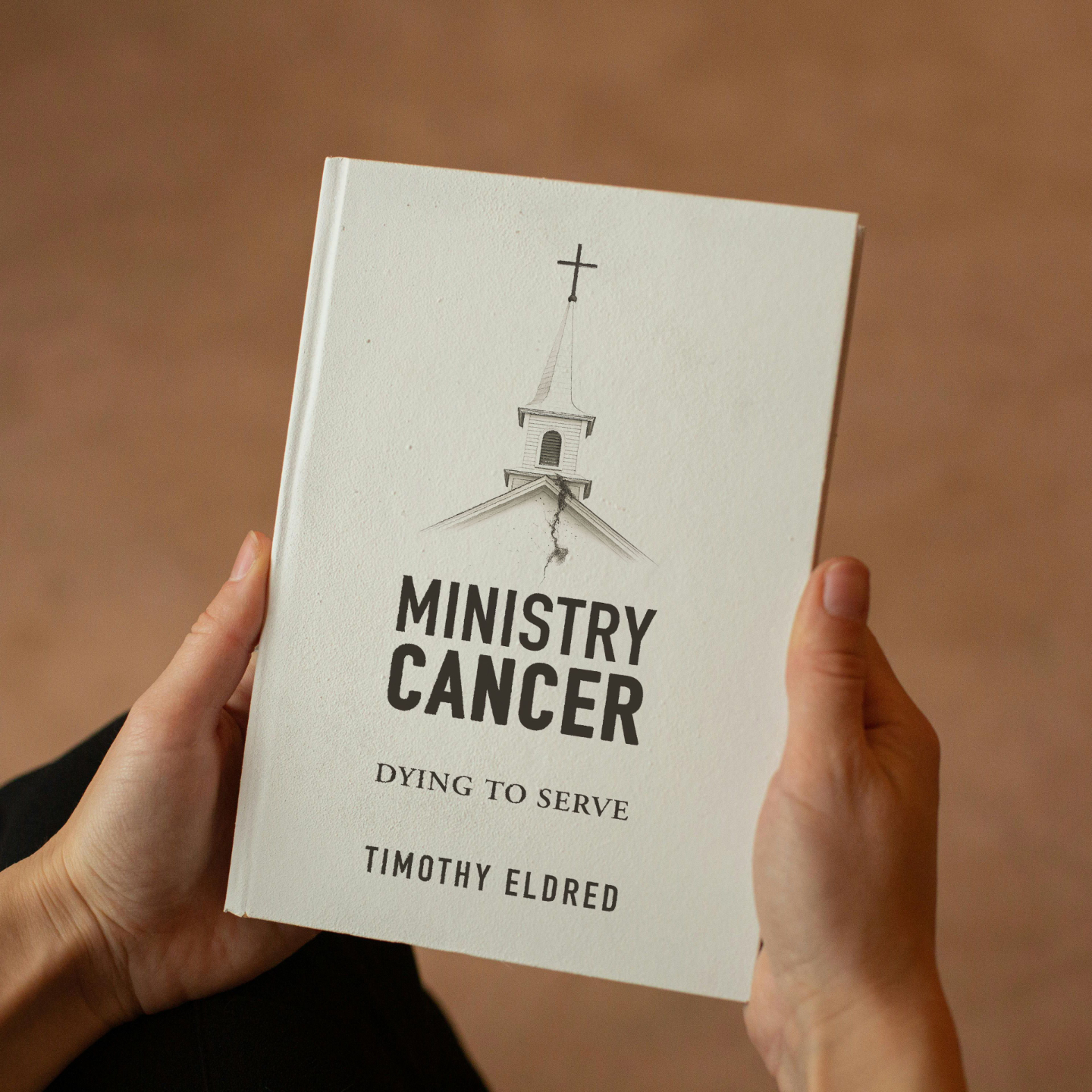
That's why I wrote Ministry Cancer. Not for the leaders who are visibly falling apart. For the ones who are serving faithfully, leading well, pouring into people—and still slowly disappearing. The ones who would never call what they're experiencing a crisis, because from the outside, everything looks fine. But inside, the "maybe" keeps getting quieter.
If that's where you are, I want you to hear this: the fact that you're still here, still trying to find words for what's happening inside you, still picking up the phone or reading something like this at the end of a long day—that's not weakness. That's a kind of courage most people will never understand.
Maybe is enough. It's enough to take one more step. And sometimes that's all hope needs to work with.
You Don't Have to Figure This Out Alone
If today's article resonated, it might be time to talk to someone who's been where you are. Contact us here or call: 989-214-3849.
About the Author Tim Eldred has been serving in pastoral ministry for over three decades and has had the privilege of training and mentoring thousands of pastors and ministry leaders in over 40 countries. He is the founder of The Authentic Pastor. Most importantly, he is a husband, father, and grandfather.
If you found this article helpful and want them in your inbox, sign up here.
We’ll send you each article plus updates from The Authentic Pastor that cut through the noise. No spam, just the good stuff—you can unsubscribe anytime.