You Don't Have Peers. You Have an Audience.
Jul 14, 2026
Count the conversations you had last week. Now sort them into three piles: people you lead, people you serve, and people you report to.
For most ministry leaders, that's everyone. The whole week, every conversation, sorted into three piles—and not one person left over.
That's not a friendship problem. It's a structural one. And it explains something the statistics keep telling us: only 35% of pastors report having close friendships. Ironically, the people called to build community can't seem to find their own. We usually file that under "pastor loneliness" and move on, as if the fix is trying harder to be friendly. It isn't. You can be warm, likable, and surrounded seven days a week and still go years without a single peer.
Because a peer is not someone you know. A peer is a specific kind of relationship, and ministry is engineered to prevent it.
Why Ministry Leaders Are Surrounded and Still Alone
Think about what happens when you talk to the people in your world.
The people you lead need you to be steady. When a volunteer asks how you're doing, there's a right answer, and you both know it. The people you serve came for care, not to give it. And the people you report to—a board, an elder team, a supervising pastor—are evaluating you, whether anyone says so or not. Honesty with the people who decide your future always carries a price tag. Sorry, but it's true.
So every conversation you have runs through a filter. Not because you're fake. Because the room requires it. You're not talking with people. You're performing for an audience—a kind, praying, well-meaning audience, but an audience nonetheless.
Now, let me say something important before you hear what I'm not saying. You can have real friends in your church. Many of us do—people who love us, pray for us, show up when our kid is in the hospital. Those friendships are genuine, and they matter. Don't let anyone tell you otherwise.
But even your closest friend in the congregation still calls you their leader. There is one conversation you can never fully hand them: your doubts about the very ministry they're inside. The moment you say "I don't know if I can keep doing this," you've changed something for them—and you know it, so you don't say it. That's not fake friendship. That's real friendship with a boundary built into it.
A peer is the relationship with no boundary required. Not a better friend. A different one.
This is true for the lead pastor of 600 and the children's ministry director of 40. It's true for worship leaders, church planters, associates, and the woman running three ministries nobody else would take. The role creates the isolation, not the personality. If this is you, it's not evidence something is wrong with you. It's evidence the system worked exactly as designed—the same system we keep saying will grow your church while it quietly caps the ceiling on your church's growth at the health of the person reading this sentence.
What a Real Peer Actually Is
A peer is someone who passes three tests at once:
- No stake. They don't attend your church, sit on your board, or report to you. Nothing you confess can cost you anything.
- Shared weight. You don't have to explain why a Tuesday resignation text from a volunteer can wreck a week. They know.
- Two-way traffic. You hear their mess too. If you're always the strong one, that's not a peer. That's another audience member.
Run your relationships through those three tests and most ministry leaders come up empty. Even Paul did. At the end of his life, he writes to Timothy: "Do your best to come to me quickly... Only Luke is with me" (2 Timothy 4:9–11). The most influential leader of the early church, surrounded by converts and coworkers his entire ministry, is asking one person to please come sit with him.
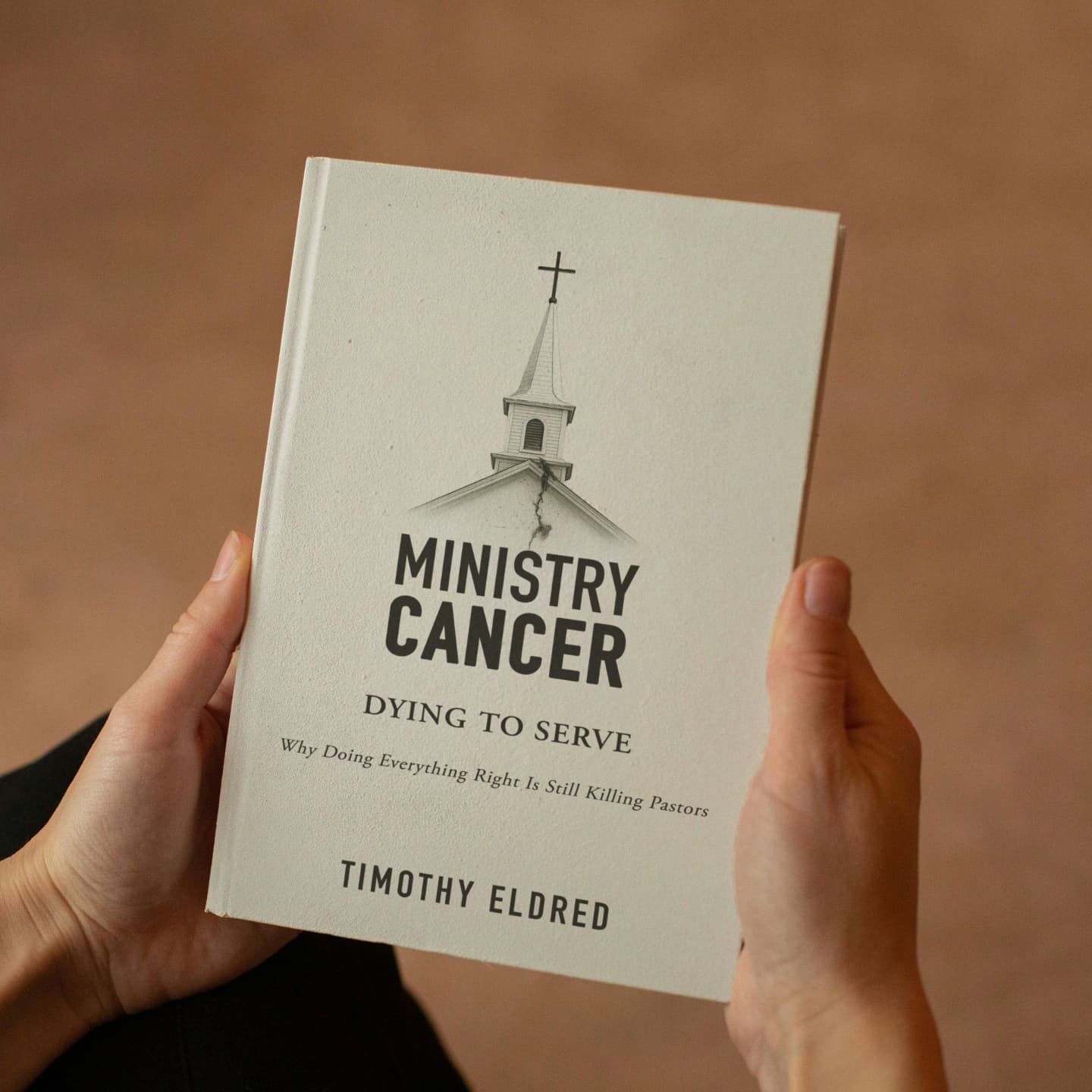
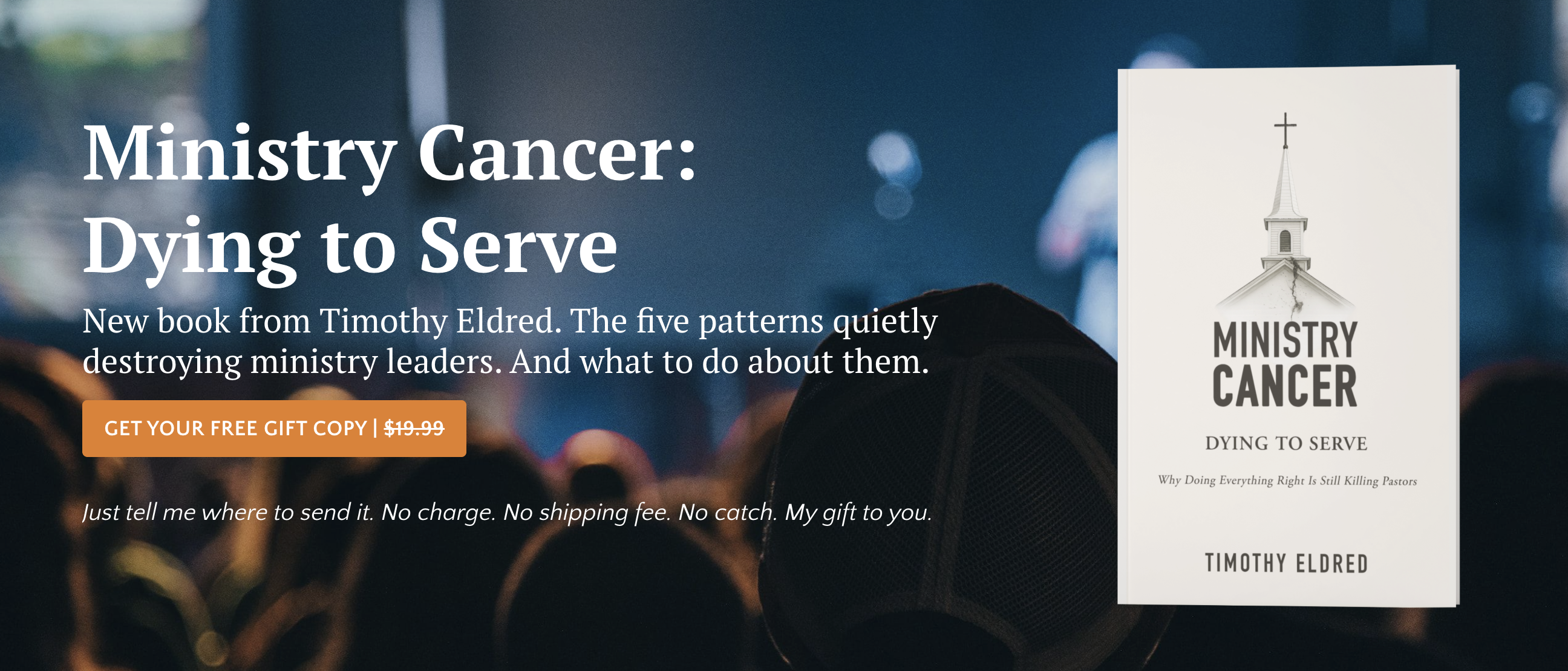
Being needed by everyone and being known by someone are different things, and one does not produce the other. I wrote a whole book, Ministry Cancer, about what thirty years of confusing those two did to me. But the short version is this: the loneliness isn't a side effect of the job. Left alone, it becomes the job.
I know this isolation from the inside. I've pastored the same rural church for over thirty years—independent, non-denominational, no built-in network, no denominational brothers and sisters a phone call away. In that time, every church around me has watched multiple pastors come and go. I never moved. Do the math on what that does to your relational world.
Somewhere in those early years I faced a choice: complain about being lonely or go build what I didn't have. I have great friends locally, some right in my congregation. But my closest peers—the no-stake, both-directions people—live hundreds of miles away. Those relationships have sustained almost four decades of ministry, and not one of them happened by accident. I invested in them deliberately, over and over, for years.
So when I tell you what comes next, I'm not handing you theory. I'm handing you my survival plan.
How to Find Real Peers in Ministry (Without Joining Anything)
Here's the part nobody gives away, so I will. You don't need a program to do this. You need three moves:
- Look outside your org chart. Your peer is almost certainly not in your building. Look at ministry leaders in your town at churches you don't compete with, old seminary or Bible college friends, leaders you met at a conference two years ago and liked. The three tests matter more than proximity.
- Make the awkward ask. Peers don't happen; they're requested. Send this text, edited to sound like you: "I've realized everyone I talk to is someone I lead or answer to. I need a real peer. Would you want to talk once a month—no agenda, both directions?" That message feels vulnerable... because it is. Send it anyway. The other leader is as alone as you are. And they will likely say yes fast enough to surprise you.
- Protect the pattern, not the feeling. One great coffee conversation does not create a peer relationship; a repeating date on your calendar does. Monthly, minimum. Put it on the schedule like a funeral—immovable. And don't let ministry get in the way of it. You read that right. Make your personal needs and relationships a priority.
Do those three things and you can build genuine peer relationships without spending a dime or joining a thing. Some leaders also discover they want more than one hour a month—structure, facilitation, someone trained to push past the polite version. That's a real need too, and there are good rooms built for it. But start with the text message. Start this week.
Because the piles on your desk will still be there tomorrow. The question is whether anyone who isn't in one of your three piles will be.
How isolated are you, really?
Most ministry leaders can't see their own warning signs. The Ministry Survival Assessment takes ten minutes and shows you exactly where you stand—free, private, and honest.
→ Take the Ministry Survival Assessment
About the Author
Tim Eldred has been serving in pastoral ministry for over three decades and has had the privilege of training and mentoring thousands of pastors in over 40 countries. He is the founder of The Authentic Pastor. Most importantly, he is a husband, father, and grandfather.